Dr. Dileep K. Singh is an Associate Professor in the Department of Zoology, University of Delhi, Delhi  and is working on pesticide toxicology, bioremediation of pesticide molecules, soil microbial ecology,  soil health and soil fertility. He has about seventeen years of teaching experiences in Postgraduate Departments of the University i.e. in the Department of Zoology and Department of Agrochemicals and Pest Management and has similar years of research experiences. He has completed nine research projects  funded by FAO / IAEA, NATP-CGP (ICAR-World Bank), ICAR , DBT and DST.  Four ongoing research projects are  funded by  IAEA/FAO, DST, DBT  and DU-DST Purse Scheme.

He has published 29 international papers in journals like J. Agricultural Food Chemistry, Environmental Science and Technology, Chemosphere, Canadian J. Microbiology, Biodegradation, J. Environ. Science and health and Bull. Environ. Contam. Toxicol. Impact factor of these journals ranges between 0.99 to 4.816. About 9 national papers are published in  journals like Pesticide Research Journal, Indian J. of Microbiology and Indian J. of Entomology. He has been made an Executive Editor of Indian J. of Microbiology in 2006. Reviewed many international research papers i.e. FEMS Microbiology Letter, J. Environmental Science and Health (B), Bull. NRC , Applied Soil Ecology, International Journal of Analytical Chemistry etc. and book on microbiology. About 86 abstracts were published in proceedings of conferences, symposium and workshops. He has published two popular books on pesticides in Hindi and has contributed two chapters in other  book. He has been associated in writing chapters on Pesticide in e-book by NISCAIR (CSIR), New Delhi, India (2005). e-Chapters on "Toxicology of insecticides" and “ Insecticidal method of pest control” are available on the website http://nsdl.niscair.res.in/, posted on 28th September, 2007. He is also a member of working group for creating e-content for ACPM constituted by NISCAIR, New Delhi , India (2006). Member of Content Advisory Committee  for  Biology, constituted by MHRD New Delhi for the preparation of e-Biology Book (2006) on http://sakshat.gov.in/ . He has been elected as a Treasurer AMI (Association of Microbiologists of India) for the period  2011-2014. He is also nominated as Joint Secretary, INSCR (Indian Network of Soil Contamination Research)  for 2011-2013.


Ten students have obtained their Doctorate Degree under his supervision and six students are working for the same. Four Post Doctorate students have also worked with him. About 20 students have obtained their M. Phil. Degree under his supervision and about 20 students of  M.Sc. (ACPM and others) has submitted their projects. He is a member of The National Academy of Sciences, Allahabad. India (2008), American Chemical Society, Pesticide Society of India, The Association of Microbiologists of India, and Entomological Society of India. His research group is working on pesticide residue analysis, soil microbial ecology, soil health and microbial bioremediation of pesticides. He was an elected member of Academic Council (2002-2006) of University of Delhi for two terms  and had four years administrative experiences as Resident Tutor in one of the PG hostels of the University. He is a member of many committees in the university and in other organizations.


Important Publications:

1. Dileep K. Singh and Hari C. Agarwal  (1992) Chemical Release and nature soil bound residues of DDT in soil. J. Agricultural Food Chemistry 40 : 1713-1716.  Impact factor : 2.816                  

2. Dileep K. Singh and Hari C. Agarwal (1995) Persistence of DDT and nature of bound residues in soil at higher altitude. Environmental Science & Technology  29: 2301-2304.  Impact factor : 4.82                 

3. Subas and Dileep K. Singh (2003) Utilization of Monocrotophos as phosphorus source by Pseudomonas aeruginosa and Clavibacter michiganense sub sp. insidiosum. Canadian J. of Microbiology 49 :101-109. Impact factor : 1.235

4. Sushma Pandey and Dileep K. Singh (2004) Total bacterial and fungal population after chlorpyrifos and quinalphos treatments in groundnut (Arachis hypogaea L.) soil. Chemosphere   55: 197-205. Impact factor : 3.155                                     

5. Jitendra Singh and Dileep K. Singh (2005) Available nitrogen and Arginine deaminase activity in groundnut (Arachis hypogaea L.)  fields after Imidacloprid, Diazinon and Lindane treatments. J. Agricultural  Food Chemistry 53: 363-368.  Impact factor : 2.816

6. Jitendra Singh and Dileep K. Singh (2005) Dehydrogenase and phosphomonoesterase activities in groundnut (Arachis hypogaea L.) fields after Imidacloprid, Diazinon and Lindane treatments. Chemosphere  60: 32-42 Impact factor : 3.155

7. Sushma Pandey and Dileep K. Singh (2006) Soil dehydrogenase and phosphomonoesterase and arginine deaminase activities in an insecticide treated groundnut (Arachis hypogaea L.) soil. Chemosphere 63 : 869-880.   Impact factor : 3.155

8. Subhas Das and Dileep K. Singh (2006) Purification and Characterization of Phosphotriesterase from Pseudomonas aeuriginosa F10B and Clavibacter michiganense subsp. insidiosum SB 11. Canadian J. Microbiology  52 (2) : 157-168.     Impact factor : 1.235

9. Singh D.K. and Kumar S. (2008) Nitroreductase, arginine deaminase, urease and dehydrogenaseactivities in natural soil (ridges with forest) and in cotton soil after acetamiprid treatments. Chemosphere 71 : 412-418. Impact factor : 3.155

10. Vig K., Singh D.K., Agarwal H.C., Dhawan A.K. and Dureja P. (2008) Soil microorganisms in cotton fields sequentially treated with insecticides. Ecotoxicology and Environmental Safety 69 : 263-276. Impact factor : 2.340

11. Goswami S. and Singh D.K. (2009) Biodegradation of α and β Endosulfan in broth medium and soil microcosm by Bordetella sp.B9. Biodegradation 20: 199-200. Impact factor : 2.012

12. Goswami S. Komal Vig and Singh D.K. (2009) Biodegradation of α and β Endosulfan by Aspergillus syndoni, Chemosphere CHEM9959 Online. Impact factor: 3.155

13. Rai Sandhya, Dileep K. Singh and K. Annapurna (2010) Dynamics of soil microbial community structure and activity during cropping period of cotton. Proceedings 19th World Science Congress of soil Science. Robert J. Gilkes and Nattapron Prakongkep (Eds.),   pp 5-8, IUSS, ( ISBN 978-0-646-5378-2), http:www.iuss.org 

14. Singh N. Sarat  and Dileep K. Singh (2011) Biodegradation of endosulfan and endosulfan sulfate by Achromobacter xylosoxidans strain C8B in broth medium. Biodegradation 22(5):845-857, DOI: 10.1007/s10532-010-9442-0, Impact factor : 2.012

15. Suman Pooja and Dileep K. Singh (2011) Estimating the uncertainty of pesticide residue analysis from mango using multi-residue analysis and validation of Method. Toxicological and Environmental Chemistry (Online), DOI: 10.1080/02772248.2011.606971


Five best publications : Impact factor 2.816 to 4.82

(i)  Singh D.K. and Agarwal H.C.  (1992) Chemical Release and nature soil bound residues of DDT in soil. J. Agricultural Food Chemistry 40 : 1713-1716.  Impact factor : 2.816

(ii) Singh D.K. and Agarwal H.C. (1995) Persistence of DDT and nature of bound residues in soil at higher altitude. Environmental Science & Technology  29: 2301-2304. Impact factor : 4.82    

(iii) Singh J. and Singh D.K. (2005) Available nitrogen and Arginine deaminase activity in groundnut (Arachis hypogaea L.)  fields after Imidacloprid, Diazinon and Lindane treatments. J. Agricultural  Food Chemistry 53: 363-368.   Impact factor : 2.816    

(iv) Pandey S. and Singh D.K. (2006) Soil dehydrogenase, Phosphomonoesterase and arginine deaminase activities in an insecticide treated groundnut (Arachis hypogaea L.) soil Chemosphere 63 : 869-880 Impact Factor : 3.155

(v) Singh D.K. and Kumar S. (2008) Nitroreductase, arginine deaminase, urease and dehydrogenase activities in natural soil (ridges with forest)and in cotton soil after acetamiprid treatments. Chemosphere 71 : 412-418. Impact factor : 3.155


Number of PG, M.Phil., Ph.D. and Post Doctorate scholars guided /guiding: 70

1. PG Scholars 27
2. M.Phil. Scholars:  
  a. Awarded: 20
b. Registered: 2
3. Ph.D. Scholars  
  a. Awarded: 10
  b. Submitted
  c. Registered: 6
4. Post Doctorate: 4


Publications : 29 + 9 + 86 + 4 + 2 + 4

(I) International : 29                    Impact factor : 1.109 to 4.82

S. No.   No. of Publications Impact Factor
1.
J. Agric. Food Chemistry
2
2.816
2.
Chemosphere
5
3.155
3.
Environmental Science & Technology
1
4.825
4.
Canadian J. Microbiology
2
1.235
5.
Ecotoxicology and Environmental Safety
1
2.340
6.
J. Environmental Science Health Part B
11
1.119
7.
Bull. Environ. Contam. Toxicol.
1
1.139
8.
ACS Publication Environmental Chemistry
3
9.
Biodegradation
2
2.012
10. Toxicological and Environmental Chemistry 1  

Impact factor as on 2010           Thomas Reuters ISI , year 2010

(II) National : 9

S. No.
 
No. of Publications
Impact Factor
1.
Pesticide Research Journal
5
 
2.
Indian J. Entomology
1
 
3.
Indian J. Microbiology
1
0.93
4.
Biopestic. International
1
 
5.
Ann. Plant Protec. Sci
1
 

(III)      Conference/Symposium/Workshop : 86

(IV)      Technical Documents (Published) : 4

(V)       Books : 2

(VI)      Chapters in Books : 4

(VII)     Develop e-contents for NISCAIR (CSIR), Delhi

               1. Toxicology of insecticides 2006 pp 1-82

               2. Insecticidal method of pest control 2006 pp 1-35

http://nsdl.niscair.res.in/ , posted on 28th September, 2007

(VIII)       Develop e-contents on biology for “Sakshat” MHRD, New Delhi 2006-07

(IX)          Invited as Editor/Author of e-Book /e-Book Series, published by Bentham Science Publisher with many science journal with high impact factor. URL www.bentham.org : Offer accepted. The e-Book “ Pesticide Chemistry and Toxicology” is accepted for publication. Appointed as an Editor for e-book series, 2008.


Awards/Fellowships/Memberships and other achievements/activities

1. Expert/Judge for 6th Uttarakhand State Science & Technology Congress , SSJ Campus, Almorah, Kumaun  University,  November 14-16,2011
2. Joint Secretary, INSCR (Indian Network of Soil Contaminated Research), Nov. 2011-2013
3. Member, Project Evaluation/Review Committee, UCOST, Department of Science and Technology, Govt. of Uttarakhand, India ,  2011
4. Treasurer, Association of Microbiologists of India, April 2011- March 2014
5. Expert/Judge for 5th Uttarakhand State Science & Technology Congress , Doon University, Dehradun, November 10-12,2010
6.

  Millennium lecture series (invited lecture)  at IASCA, Jiwaji University, Gwalior, February 17th 2010.

7. Member “The National Academy of Sciences, India (M.N.A.Sc.)”, (2008) Allahabad
8. Expert/Judge for 3rd Uttarakhand State Science & Technology Congress , at IIT Roorke November 10-11,2008
9. Member review panel for biology video at Consortium for Education Communication (UGC), 2007
10. Executive Editor “ Indian J. Microbiology” (2006 - 2011)
11. Life time member of “ Association of Microbiologist”, India
12. Member “ American Society for Microbiologist”, Washington, DC, USA, 2011-12
13. Member “ American Chemical Society” , USA, 2010-11
14. Member of different academic associations viz. Pesticide Society of India, Entomological Society of India, Life Member of “ Indian Network for soil contamination research”. Indian Chapter of Soil and Contamination Research in Asia and Pacific, Adelaide, Australia.
15. Academic Council Member ( elected for two terms), University of Delhi, Delhi, 2002-2004 and 2004-2006.
16. Member of different committees in the University and in different organizations.
17. Member of Board for Biology e-Courses “Sakshat” MHRD , New Delhi (2006-08)
18. Member of Board for development of e-Courses for ACPM by NISCAIR (CSIR), New Delhi.
19. Research Associate (University of Delhi) in higher scale (1993-1996).
20. UGC NET Qualified, 1986

Research Collaborations :  International

Research collaboration under FAO/IAEA, CRPs (Coordinated Research Project : 2011-2016, 2002-2008 and 1998-2000) with Institutes/Universities of the following countries,

2011-2016

USA, UK, Austria, India,  China, Morocco, Chile, Portugal, Singapore, Thailand, Botswana, Lebanon, Uganda.

2002-2008

Argentina, Australia, Brazil, Columbia, Costa Rica, Hungary, Thailand and U.K.

1998-2000

Brazil, USA, China, Egypt, Germany, Pakistan and Thailand.

___________________________________________________________________________________________________________________________

Research Collaborations : National

_____________________________________________________________________________________________________________________________________________

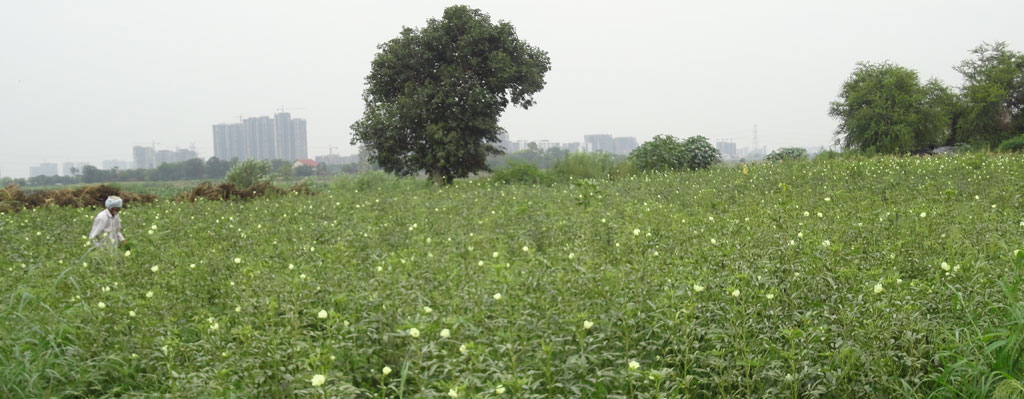
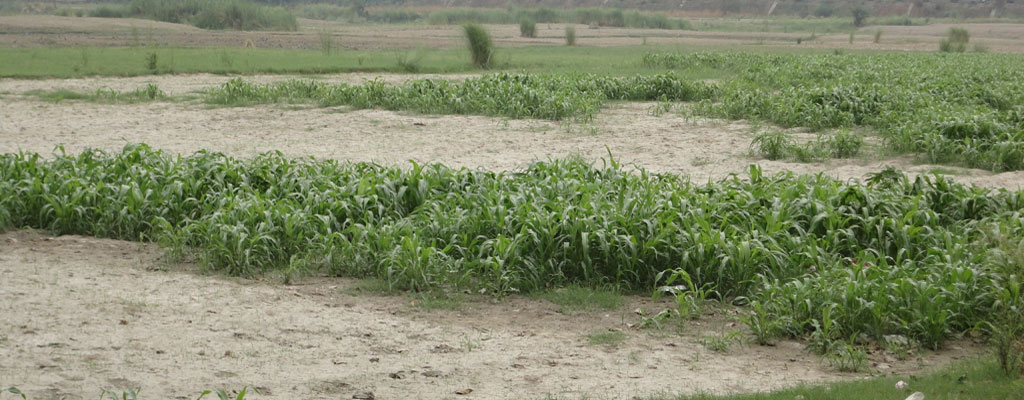
DU-DST Purse Scheme  (2009-2012), "Development of indicators for Anthropogenic , Environmental and Chemical Stresses on Urban Ecosystem : A Study of Aquatic and Terrestrial Ecosystems of Yamuna River Catchment from National Capital region (Delhi)"


Academic visits : 6

1. Thailand : FAO/IAEA Training Programme, 1992

2. China : FAO/IAEA Research Committee Meeting, 1999

3. Austria : FAO/IAEA Research Committee Meeting, 2002

4. Argentina : FAO/IAEA Research Committee Meeting, 2007

5. Sweden : FEMS 2009

6. Austria : FAO/IAEA Research Committee Meeting, 2011